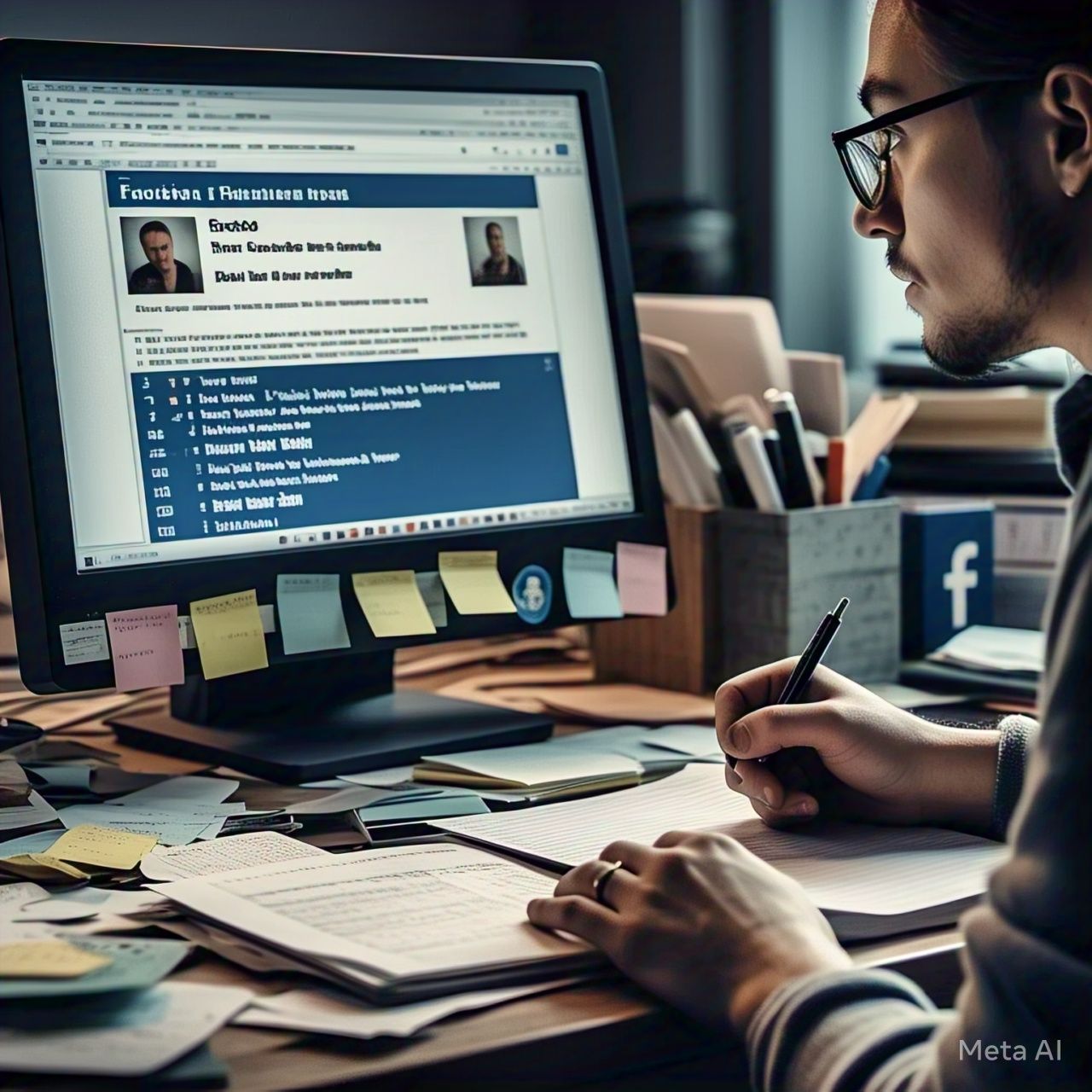
Facebook is a big part of many people’s daily lives. It’s where we share updates, stay in touch with friends and family, and even discover new communities. But, while Facebook can be fun and useful, it’s also important to think twice before posting too much personal information. Even if it seems harmless, oversharing on Facebook can lead to serious problems. Here’s why you should be careful about what you share on the platform:
1. The Risk of Identity Theft
Identity theft happens when someone steals your personal information to commit fraud, like opening credit cards in your name or hacking into your bank accounts. Many people unknowingly share information on Facebook that makes it easier for someone to steal their identity. Things like your full name, birthday, and address are the kinds of details hackers can use to answer security questions and break into your accounts. Even simple information like the names of your pets or your favorite vacation spot can be used against you.
To stay safe, try not to share sensitive details like your address or birthday. Also, make sure your Facebook profile is set to private so that only people you trust can see your personal information.
2. Privacy Settings Aren’t Always Set Up Correctly
One of the most common mistakes people make on Facebook is not adjusting privacy settings. By default, some information you post might be visible to the public, even if you think it’s only for your friends. For example, your profile’s “About Me” section may be open to everyone, and you might not realize it.
To protect your privacy, take a few minutes to review and update your settings. You can control who sees your posts, who can contact you, and who can search for your profile. This way, only people you trust will have access to your personal information.
3. The Danger of Scams and Tricks
Sometimes, hackers use tricks to manipulate people into giving away their personal information. This is called “social engineering.” For instance, a hacker might send you a message pretending to be a friend or family member and ask for your help. Since they know a lot about you from your Facebook profile, you might not suspect that something’s off.
To avoid falling for scams, always be cautious when you get messages from people you don’t know, especially if they ask for sensitive information. If someone you know asks for help or seems to be in a hurry, take a moment to verify their identity through a phone call or another app.
4. Stalking and Harassment Risks
Facebook makes it easy to keep up with others, but it can also make you a target for unwanted attention. If you post your exact location, routines, or photos of your home, it can make it easier for stalkers or harassers to find you or track your movements. For example, posting about a trip you’re taking could alert someone that you’re not home, increasing the chance of a break-in.
Think before you post anything that could reveal your location or daily habits. For added safety, avoid sharing live updates about where you are, and be selective about the photos you post.
5. Facebook Shares Your Data With Others
Did you know that Facebook collects a lot of data about you, including your likes, browsing habits, and interactions with ads? This data is shared with advertisers and other third parties, which is why you see personalized ads on your feed. While it’s common for companies to use this type of information, it’s important to remember that the more personal data you share, the more Facebook and others know about you.
To reduce the amount of personal information shared, you can review and manage the apps that are connected to your Facebook account. Some apps might have access to more data than you realize, so be sure to check their permissions regularly.
6. What You Share Can Affect Your Reputation
What you post on Facebook can impact how others perceive you, both now and in the future. If you share too much personal information or controversial opinions, it can hurt your reputation. Employers, potential business partners, and even future friends might look at your profile, and if they see something they don’t like, it could change how they view you.
Even if you delete a post, it can still exist in screenshots or archives, so always think about the long-term consequences of what you share. It’s a good idea to regularly check your past posts to make sure nothing embarrassing or unprofessional is still out there.
7. Facebook’s Security Features Aren’t Foolproof
Facebook offers security features like two-factor authentication (2FA) to help protect your account, but they’re not a guarantee that you’ll never be hacked. Hackers are always coming up with new ways to bypass security features, and if you’ve shared too much personal information, they might still be able to find ways to trick you into giving them access to your account.
To keep your Facebook account safe, use strong passwords, enable 2FA, and be extra cautious about clicking links or downloading attachments from people you don’t know.
Conclusion
While Facebook is a great way to stay connected and share moments with others, it’s important to be careful about how much personal information you share. Oversharing can expose you to risks like identity theft, scams, stalking, and damage to your reputation. By taking a few simple steps to adjust your privacy settings, limit what you share, and stay cautious about who you trust, you can keep your information safe and enjoy Facebook without compromising your security.